
Smart Engineering, Better MPG, and Real-World Performance for Macon Drivers
If you’ve been shopping BMW models lately in Macon, Warner Robins, Forsyth, or Perry, you may have noticed something: more BMW vehicles now come with 4-cylinder engines instead of the six-cylinders BMW was once famous for.
Summary: This shift to 4-cylinder vehicles isn’t about cutting corners. It’s about efficiency, modern performance technology, and meeting how people actually drive today. BMW chose four-cylinder engines for good reasons, and for many drivers, they offer the best balance of power, fuel economy, and long-term value.
At BMW of Macon, we help customers understand not just what BMW builds, but why.
BMW’s Move Toward 4-Cylinders Is Driven by Real-World Demand
Drivers today are more focused on:
-
Fuel efficiency
-
Lower emissions
-
Daily usability instead of peak horsepower numbers
-
Affordability without sacrificing luxury
BMW responded by expanding its use of 2.0-liter turbocharged four-cylinder engines, especially in core models like the 3 Series and X lineup. This allows BMW to remain competitive while still delivering the driving experience buyers expect.
Cost-Effective Engineering That Benefits the Buyer
By standardizing advanced 2.0-liter and 3.0-liter engine platforms across much of the lineup, BMW reduces production complexity and manufacturing costs.
What that means for you:
-
BMW vehicles stay price-competitive in their segment
-
Lower ownership costs over time
-
More technology and standard features at each trim level
BMW isn’t “downgrading” engines. They’re reallocating resources toward smarter performance.
Modern BMW 4-Cylinder Performance Is Stronger Than You Think
BMW’s latest four-cylinder engines, including the N20 and B48, represent a major leap forward in engine technology.
For example:
-
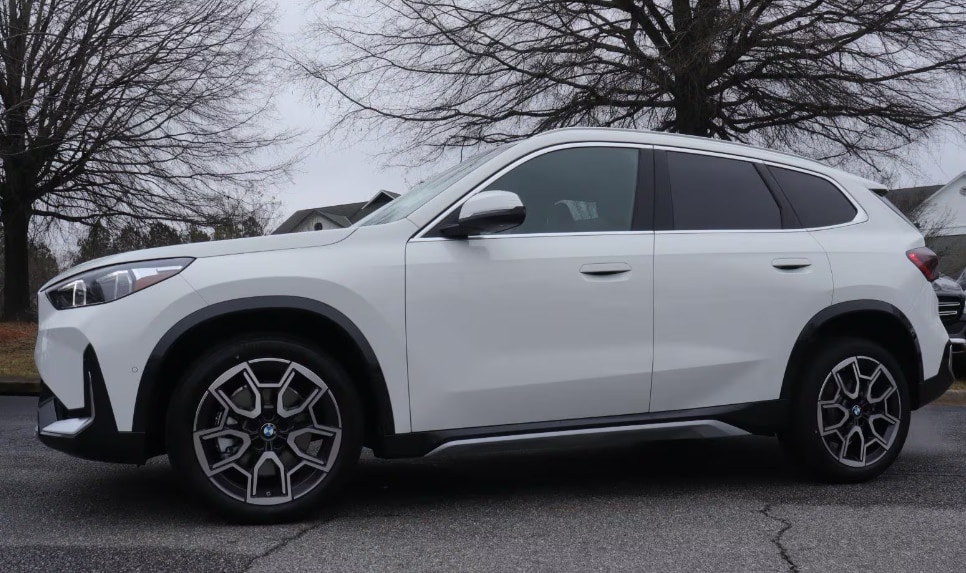
The BMW X1 xDrive28i uses a 2.0-liter TwinPower Turbo engine
-
Produces 245 horsepower
-
Accelerates from 0–60 mph in about 6.1 seconds
That level of performance rivals older turbo six-cylinder engines and even outpaces some competitors’ larger engines, all while using less fuel.
This is why many drivers in Warner Robins and Perry are surprised by how quick and responsive these vehicles feel in everyday driving.
BMW TwinPower Turbo and Direct Injection Explained Simply
BMW’s four-cylinder success comes down to two key technologies:
TwinPower Turbo System
-
Uses a twin-scroll turbocharger
-
Delivers quicker throttle response
-
Boosts power while reducing fuel consumption
Direct Injection
-
Fuel is injected directly into the combustion chamber
-
Improves combustion efficiency
-
Reduces emissions while increasing usable torque
Together, these systems allow smaller engines to behave like much larger ones, without the downsides.
Fuel Economy That Makes a Difference
One of the biggest advantages of BMW 4-cylinder engines is fuel efficiency.
Key benefits include:
-
Better MPG compared to six-cylinder and V8 engines
-
Up to 30% lower fuel consumption in comparable driving conditions
-
Reduced emissions and lower fuel costs over time
For commuters driving between Macon and Forsyth or Warner Robins, this adds up quickly.
Towing Capacity and Cargo Room Still Deliver Practical Value
A four-cylinder BMW doesn’t mean sacrificing utility.
Many BMW SUVs with 4-cylinder engines can tow up to approximately 4,000 pounds when properly equipped, making them suitable for:
-
Small boats
-
Utility trailers
-
Jet skis or lightweight campers
Cargo space is also thoughtfully designed, with flexible rear seating and wide liftgate openings that easily handle groceries, luggage, or sports equipment.
Why BMW of Macon Customers Choose 4-Cylinder Models
BMW buyers value engineering efficiency, not excess. Today’s four-cylinder BMWs deliver:
-
Strong real-world acceleration
-
Excellent MPG
-
Proven reliability
-
Premium interiors and driving technology
They simply fit modern driving needs better than ever before. Have more questions on the power of 4-cylinder BMWs? Contact us.
FAQ: BMW 4-Cylinder Engines
Are BMW 4-cylinder engines powerful enough?
Yes. Thanks to turbocharging and direct injection, they deliver strong torque and quick acceleration at everyday speeds.
Do four-cylinder BMWs tow less?
They can still tow light trailers when properly equipped, especially BMW SUVs like the X1 and X3.
Are these engines reliable long-term?
BMW’s four-cylinder engines have been refined over multiple generations and are designed for durability.